Save on Fees by Donating or Repurposing Bulky Waste Items: A Comprehensive Guide
Facing the issue of getting rid of bulky waste can be a real headache for homeowners and businesses alike. From old furniture and appliances to mattresses and exercise equipment, these massive items can quickly clutter your space and lead to significant disposal fees if improperly managed. However, with a little creativity and resourcefulness, you can save on disposal fees by exploring options such as donation, reuse, and repurposing.
This article will explore the many ways you can reduce bulky waste disposal costs by finding eco-friendly and community-minded alternatives. Not only will you benefit financially, but you'll also contribute to environmental conservation and, potentially, support those in need.
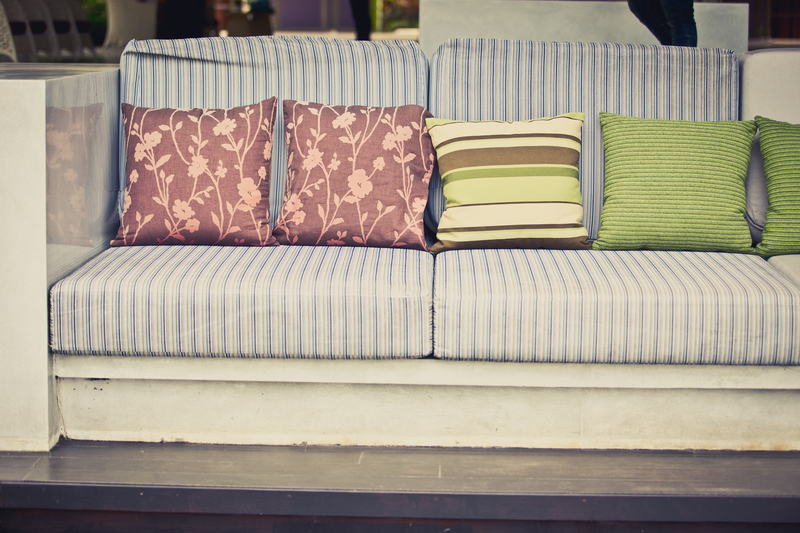
Understanding the Real Cost of Bulky Waste Disposal
Municipalities and private waste management companies often charge extra for the pickup and disposal of large or bulky items. These fees are designed to cover the additional handling, transport, and landfill costs associated with these materials.
- Mattress Disposal fees can range from $25 to $100 per item.
- Furniture Removal costs are often bundled with hourly or volume rates, leading to charges from $50 to several hundred dollars.
- Appliance Pickup might require special handling due to hazardous materials, resulting in fees that escalate accordingly.
Worse, sending these items directly to landfills is both costly and environmentally harmful. Many items, particularly those made from wood, metal, and textiles, could be reused, recycled, or given a new life elsewhere.
Why Avoid Traditional Disposal Methods?
- High Costs: Repeatedly paying for waste pickups adds up over time, affecting your household or business budget.
- Environmental Impact: Landfills are filling up, and improper disposal can lead to pollution and resource waste.
- Missed Opportunities: Many people and organizations can use what you no longer need.
How Donating Bulky Waste Can Help You Save
One of the easiest and most rewarding ways to reduce bulky waste management fees is by donating items that still have usable life. Donation not only saves you money but also benefits your community.
What Types of Bulky Items Can Be Donated?
- Furniture (sofas, dressers, tables, chairs)
- Mattresses (in clean and good condition)
- Appliances (working stoves, washers, dryers, refrigerators)
- Electronics (TVs, computers, home entertainment systems)
- Exercise equipment (treadmills, stationary bikes)
Before arranging for donation, ensure your items are clean, safe, and in working order. Many charity organizations will gratefully accept gently used goods and may even offer free pickup services, further reducing your effort and costs.
Best Places to Donate Bulky Items
- Thrift Stores: National chains like Goodwill, Salvation Army, and Habitat for Humanity ReStores accept a wide range of gently used bulky items.
- Local Charities: Smaller, community-focused groups often take furnishings and equipment for those in need.
- Homeless Shelters and Transitional Housing: Many shelters are in constant need of mattresses, beds, and appliances.
- Schools, Churches, and Non-Profits: These institutions sometimes require furniture or electronics for their operations or outreach programs.
Tip: Always call ahead to verify current needs and acceptance policies, particularly for items like mattresses or electronics, which can have specific donation restrictions.
Tax Incentives: Another Way to Save
Did you know? Donations to most recognized charities are tax-deductible. Request a receipt for your donation, and you may be eligible to claim a deduction on your taxes, providing an additional financial benefit while you also save on waste removal fees.
Repurposing Bulky Waste: Getting Creative to Cut Costs
When donation isn't viable--for example, if an item is damaged or obsolete--consider the many ways items can be repurposed or upcycled. Repurposing transforms unwanted objects into functional or artistic creations, reducing the need for landfill while saving you disposal costs.
Repurposing Ideas for Common Bulky Items
-
Old Furniture:
- Sofas and Couches: Convert frames into benches or outdoor seating.
- Wooden Dressers: Repurpose drawers as under-bed storage, or transform them into bookshelves or workbenches.
- Tables: Cut and refinish as desks, potting benches, or craft tables.
-
Appliances:
- Washing machines and dryers: Use drums as fire pits, planters, or outdoor tables.
- Old refrigerators: Convert into cool storage for the garage, or strip for scrap metal recycling.
-
Mattresses:
- Break down for spring recycling, reuse memory foam for pet beds or insulation, or donate to craft groups.
-
Exercise Equipment:
- Bikes: Turn into quirky garden art or repurpose for parts.
- Treadmills: Salvage motors and belts for DIY projects.
Upcycling not only spares you fees but can add value or unique decor to your home or business. Moreover, communities benefit when materials are kept out of the landfill and instead used in creative or functional ways.
Community Sharing and Selling: Another Path to Savings
Sometimes, the best option is simply to give away, trade, or sell your unwanted bulky items directly. Online marketplaces, social media groups, and local community networks make it easy to connect with people seeking what you no longer need.
Where to Sell or Share Bulky Waste Items
- Online Classifieds: Craigslist, Facebook Marketplace, OfferUp, and Nextdoor are perfect for local transactions.
- Swap Events: Some neighborhoods or organizations host exchange days for household goods, fostering community reuse.
- Freecycle Networks: Dedicated groups focused on gifting unwanted items within a community.
Tip: Clearly describe your item, communicate any flaws, and ensure safe handover arrangements. In many cases, buyers or recipients will collect the item from your property, saving you all transportation and disposal costs.
Creative Recycling: An Overlooked but Valuable Option
For items that are neither donatable nor easily repurposed, recycling centers may still accept major components. Many bulky items contain materials that can be recovered and transformed into new products.
- Scrap Metal: Refrigerators, washing machines, bed frames, and some exercise equipment can be delivered to scrap yards, sometimes even earning you cash.
- Wood: Many woodworking shops, artists, or schools accept wood from old furniture.
- Foam and Fabrics: Some specialty recyclers will take mattress components, carpets, and upholstery foam.
- Electronics: Look for certified e-waste recyclers that safely handle large TVs, computers, and more.
Contact your local recycling facility for guidance on what is accepted and their drop-off procedures. Many cities host bulky recycling events and collection days specifically designed to make disposal free or low-cost.
Organizing Bulk Item Disposal for Businesses
Commercial operations often generate a significant volume of bulky waste from office renovations, retail upgrades, or hospitality turnovers. Businesses can save on commercial waste fees by implementing similar strategies at scale.
- Donation Partnerships: Establish ongoing relationships with charities, shelters, or schools to donate office furniture, equipment, and fixtures.
- Employee Reuse Programs: Offer surplus items to staff before considering disposal.
- Bulk Recycling: Contract with recycling companies specializing in large quantities of electronics, metals, or wood.
- "Office Swap" Initiatives: Facilitate inter-department exchanges to repurpose furniture or supplies internally.
Many commercial property managers have reduced costs and supported sustainability goals by prioritizing donation and recycling ahead of landfill disposal.
How to Prepare Bulky Items for Donation, Sale, or Reuse
Whether you're donating, selling, or repurposing your items, proper preparation is a must to maximize value and reduce hassle. Here's how:
- Clean the item thoroughly, removing dirt, stains, and odors.
- Disassemble if possible to ease transport or recycling (e.g., remove table legs, doors, or cushions).
- Check for safety--ensure items are free from pests and in good structural condition.
- Photograph and document for donations or sale listings.
Remember: Safety and cleanliness are key to successful donation and reuse!
Benefits of Donating or Repurposing Bulky Waste Items
- Financial Savings: Avoid or reduce landfill and hauling fees, potentially earn tax deductions, and sometimes even receive cash for recyclables.
- Environmental Impact: Keep valuable materials out of landfills, reduce carbon emissions, and encourage resource conservation.
- Community Support: Provide needed goods to charities, families, schools, and shelters.
- Personal and Business Joy: Upcycling can be a fun and satisfying project, adding value and uniqueness to your space.
Frequently Asked Questions About Saving on Bulky Waste Disposal Fees
Can I donate broken or damaged bulky items?
Some charities will accept repairable items, especially if they have in-house workshops or volunteer fix-it teams. Always call ahead to check their policies--never assume.
How do I find local organizations that accept bulk donations?
Search online for "bulky item donation near me" or check municipal websites. National charity chains and local waste management agencies often maintain up-to-date lists of partners.
Are there safety concerns with donating or selling large items?
Yes--always verify the credentials of buyers or donation pick-up teams, and never allow strangers unsupervised access to your home. For online exchanges, agree to meet in public or secure locations.
My municipality has free bulk pickup days. Should I still look for alternatives?
Absolutely! Even when disposal is free, donating or repurposing items can provide community value and help the environment. Free pickup slots fill up quickly, so having a backup solution is wise.
Conclusion: Start Saving--Turn Your Bulky Waste Into Opportunity
Instead of shouldering high landfill and waste pickup fees, consider the many cost-effective and sustainable alternatives to bulky waste disposal. By donating, repurposing, selling, or recycling, you'll both save money and help your community and environment. The next time you face the challenge of getting rid of big, awkward, or unwanted items, remember: opportunity knocks where waste once blocked your way!
By making informed, creative decisions, you can save on fees by donating or repurposing bulky waste items--a win for your wallet, the planet, and your neighbors.
