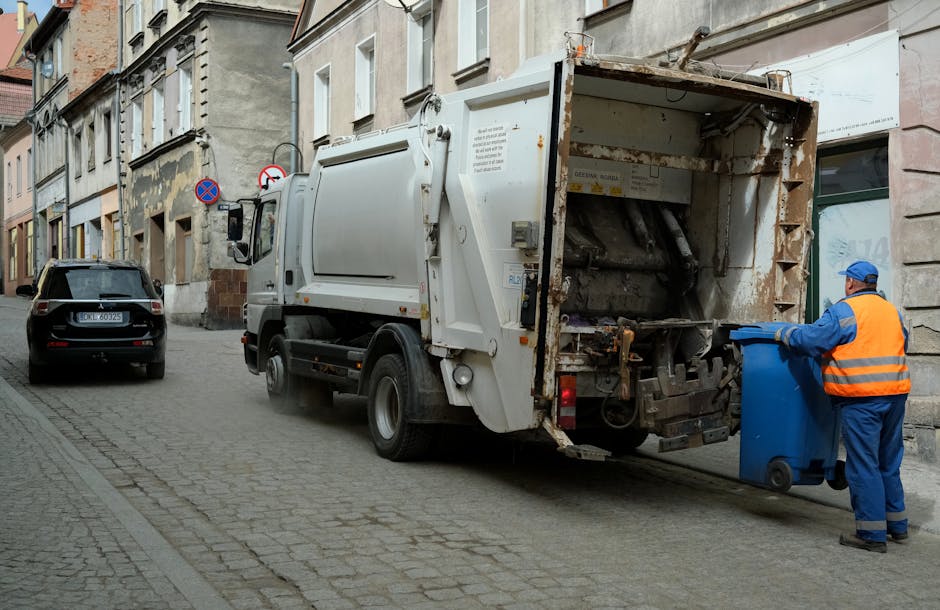
Osterley Park rubbish removal guide TW7 collection tips

If you are trying to clear rubbish near Osterley Park, the job can feel deceptively simple at first. Then the bags pile up, the awkward items appear, and suddenly you are thinking about access, timing, parking, and what can legally go where. This Osterley Park rubbish removal guide TW7 collection tips is here to make that whole process easier, calmer, and much more practical. Whether you are dealing with household clutter, garden waste, renovation debris, or a mixed load after a busy weekend, the right plan saves time and avoids a lot of hassle.
In this guide, we cover how rubbish removal works in the TW7 area, how to prepare a collection properly, what to check before booking, and how to avoid the little mistakes that create delays. You will also find a checklist, a real-world example, and a comparison of common clearance methods, so you can choose the approach that fits your property and your schedule.
Why Osterley Park rubbish removal guide TW7 collection tips Matters
Osterley Park sits in a part of West London where homes, flats, shared access roads, gardens, and small commercial spaces all overlap. That matters because rubbish removal is rarely just about lifting waste into a van. You are usually working around tight schedules, neighbours, on-street parking, and a mix of item types that may need sorting before they can be taken away.
A good collection plan also helps you avoid the classic last-minute scramble. You know the one: bags are tied, the front path is blocked, and then someone notices a broken appliance still tucked behind the shed. To be fair, that happens all the time. A little structure at the start makes everything feel less chaotic.
There is also a quality angle. Properly organised rubbish removal is faster, safer, and more likely to lead to recycling where possible. That is one reason many people prefer a professional clearance rather than trying to make multiple trips themselves. If you are planning a bigger project, you may also want to look at waste removal options alongside related services such as house clearance or garage clearance.
And yes, local context matters. A collection in TW7 is not the same as a wide-open industrial yard. The access may be narrow, the parking limited, and the timing more sensitive. That is exactly why location-specific collection tips are useful.
How Osterley Park rubbish removal guide TW7 collection tips Works
At its simplest, rubbish removal follows a clear pattern: assess the waste, sort what can go together, choose the right collection method, and book a time that suits the site. The real skill is in the detail. Mixed rubbish is not all handled the same way, and bulky items, heavy builder's waste, and special items each bring their own practical issues.
For a typical collection near Osterley Park, the process usually looks like this:
- Identify the waste type. Household clutter, garden cuttings, office furniture, appliances, or construction debris all need slightly different handling.
- Estimate the volume. A few black bags is one thing; a roomful of furniture is another. Volume affects the time, vehicle space, and cost.
- Separate sensitive or restricted items. Things like fridges, electricals, or hazardous materials may need special attention.
- Check access. Think about stairs, lift access, parking, gate width, and whether the team can get close enough to the load.
- Book the collection. If you want to arrange a straightforward collection, you can use book online or review pricing and quotes before you decide.
- Prepare the items. Bag loose waste, flatten cardboard, and keep sharp or awkward objects separate where possible.
- Carry out the clearance. A proper team will load efficiently, minimise disruption, and leave the area tidy.
The main thing to remember is that collection works best when the waste is already organised. If you leave everything in one big mixed pile, the job still gets done, but it takes longer. Sometimes much longer. And nobody really wants that on a damp Tuesday afternoon when the bins are already full.
Key Benefits and Practical Advantages
There are several reasons people choose organised rubbish removal rather than trying to piece it together themselves. Some are obvious. Some are a bit more subtle, but they matter.
- Saves time: One coordinated collection is usually more efficient than several DIY trips.
- Reduces stress: You do not need to worry about vehicle size, unloading, or disposal logistics.
- Improves safety: Heavy lifting, sharp edges, and awkward items are handled with better technique and equipment.
- Supports recycling: Sorted waste is easier to route toward reuse and recycling streams where possible.
- Helps with space: Clearing even one corner of a garage or hallway can make a home feel instantly more manageable.
- Fits busy schedules: A planned collection is easier to slot around work, school runs, or deliveries.
There is also a quiet psychological benefit. Once the rubbish is gone, the whole space feels lighter. Not dramatic, just noticeable. You walk into the room and think, right, now I can actually deal with this place.
If your waste includes older furniture or awkward household items, related services like furniture clearance, furniture disposal, or mattress and sofa disposal may be more appropriate than a general mixed-load solution.
Who This Is For and When It Makes Sense
This guide is useful for homeowners, tenants, landlords, office managers, tradespeople, and anyone trying to clear clutter without turning it into a weekend-long ordeal. If you live near Osterley Park and you have got rubbish that is too much for the wheelie bin, too awkward for the car, or simply too much to face alone, this is probably for you.
It makes particular sense in situations like these:
- after a tidy-up before guests arrive
- between tenants in a flat or house
- after a small renovation or DIY project
- when the loft, garage, or shed has become a storage mystery
- when office furniture or paperwork needs removing
- when garden waste has outgrown the compost heap
For business premises, you may need a more structured solution. In that case, business waste removal or office clearance might be the smarter route, especially where documents, desks, and electrical equipment are involved.
And if you are dealing with a full property rather than a single pile of rubbish, services such as home clearance, flat clearance, or loft clearance can be a better fit. Simple enough, really.
Step-by-Step Guidance
Here is a practical way to prepare for a rubbish removal collection near Osterley Park without making it harder than it needs to be.
1. Walk the site first
Do a slow walk through the area where the waste is stored. Look for items hidden behind furniture, under tarps, in cupboards, or out in the garden. Half the time the surprise items are the ones that create the delay.
2. Sort the waste by type
Separate general rubbish, recyclable materials, green waste, bulky furniture, electricals, and anything potentially hazardous. This does not have to be perfect, but a bit of sorting goes a long way.
3. Pull out restricted items
Some materials need special handling. If you have cleaning chemicals, paint, oils, asbestos-related materials, or similar items, they should not be bundled into a normal load. For those cases, use hazardous waste disposal advice and keep the item separate until you know the right next step.
4. Check your access
Measure gateways if needed. Note any narrow hallways, basement steps, or awkward corners. If a van cannot park close by, the clearance may take longer, so be upfront about access from the start.
5. Make the waste easy to lift
Bag loose rubbish, tie bags securely, flatten boxes, and keep heavy items manageable. If you have an old appliance, do not leave it half disconnected on the floor. Better to prepare it properly and avoid a messy lift. If you need help with a fridge, freezer, washer, or similar item, look at fridge and appliance removal.
6. Decide whether it is a mixed load or a specialist job
This is one of the more useful decisions you can make. A mixed load is fine for general household waste, but builder's debris, furniture, and garden waste can sometimes benefit from a more targeted service. For example, builders waste clearance is usually more efficient for rubble, timber offcuts, and renovation leftovers.
7. Book the collection and confirm the basics
When you book, confirm the item types, the approximate volume, access details, and timing. If you want clarity on what is likely to be included, the page what can go in a skip is a useful reference point even if you are not using a skip. It helps you think in categories.
8. Leave the load ready
On collection day, make sure the path is clear and the waste is easy to reach. If a team has to weave through a narrow hall while carrying a bulky wardrobe, the job becomes harder than necessary. Small detail, big difference.
Expert Tips for Better Results
These are the kinds of practical tips that make a collection smoother in real life, not just on paper.
- Separate sharp objects early. Broken glass, nails, and metal offcuts should be kept under control. A sturdy box or labelled bag helps.
- Keep one access route open. It sounds obvious, but people often block the path with "just one more bag." Then another. Then another.
- Take photos before booking. A few clear photos can help with an accurate estimate and prevent awkward surprises.
- Don't overfill bags. Overpacked bags split easily and slow everyone down.
- Think about recycling first. Cardboard, metal, clean wood, and some appliances may be handled separately. That can improve efficiency.
- Book earlier for busy periods. Weekends, moving days, and post-renovation clear-outs tend to fill up fast.
One small but important tip: if you are clearing a whole room, work from the back to the front. It sounds almost too simple, but it keeps the room safe and stops you from moving the same item twice. The sort of thing you only appreciate after carrying a chest of drawers through the hall three times. Not ideal.
If you are comparing providers or planning a larger property clearance, it can also help to review pricing and quotes and the company's recycling and sustainability approach before you commit.
Common Mistakes to Avoid
Most rubbish removal problems are avoidable. Usually, they come from one of a handful of small mistakes that snowball into bigger ones.
- Leaving sorting until the last minute. Mixed piles take longer and are harder to assess.
- Forgetting about parking or access. In TW7, this can be the difference between a smooth visit and a frustrating one.
- Mixing hazardous and general waste. That is never worth the risk.
- Assuming all bulky items are treated the same. A sofa, a fridge, and a pile of rubble are not the same job.
- Underestimating volume. Waste always seems smaller before you gather it into one place. Odd how that works.
- Hiding awkward items in corners. The collection team will find them. They always do.
A common local issue is trying to manage a clearance in a rush because the property needs to be ready for handover, inspection, or sale. That is when people make rushed decisions. A short pause to sort the load properly is nearly always worth it.
If the job involves deep cleaning after storage or long-term clutter, garage clearance and loft clearance often need a little more planning than expected, because the waste tends to be a bit mixed and dusty. Truth be told, that is normal.
Tools, Resources and Recommendations
You do not need a huge toolkit, but a few practical items make preparation easier.
- Heavy-duty bin bags for loose rubbish
- Gloves for handling sharp or dusty items
- Tape and marker pens for labelling bags or boxes
- A tape measure for checking access widths and item size
- Flat boxes or crates for separating smaller recyclables
- Phone camera for quick photos of the load
For specialist needs, it is worth considering the wider service pages that match your waste type. For example, garden clearance is a better fit for branches, cuttings, soil, and outdoor debris, while furniture disposal is more appropriate if the main challenge is bulky household items rather than mixed rubbish.
For office settings, confidential paperwork should be handled separately. The page on confidential shredding is useful if your collection includes old files, archived documents, or anything that should not be left in general waste.
And if the waste is mostly from a refurbishment or strip-out, builders waste clearance is often the most efficient route. That kind of job can include plasterboard offcuts, tiles, timber, packaging, and rubble, and each one behaves a little differently in the load.
Law, Compliance, Standards, or Best Practice
Waste handling in the UK should always be approached carefully. The exact legal responsibilities depend on the type of waste, who produced it, and how it is being removed. You do not need to become a legal expert to organise a collection, but you should follow sensible best practice.
At a practical level, that means:
- keeping hazardous waste separate
- making sure waste is transferred to a legitimate collector or disposer
- not leaving items in public spaces where they may create a hazard
- being honest about what is in the load
- following site safety guidance during lifting and loading
If you are dealing with items that could pose a safety risk, the company's health and safety policy and insurance and safety information are worth reviewing before booking. For payment and admin reassurance, you can also look at payment and security.
For business customers, there is often extra value in using a provider that understands waste segregation, access planning, and responsible disposal. That does not have to be complicated. It just has to be handled properly, which is a pretty reasonable expectation really.
Options, Methods, or Comparison Table
Different jobs suit different methods. A quick comparison can help you choose the right one without overthinking it.
| Method | Best for | Strengths | Limitations |
|---|---|---|---|
| DIY trips to the tip | Small, light loads | Can feel cheap if you already have transport | Time-consuming, tiring, not ideal for bulky items |
| Skip hire | Longer projects and repeated waste generation | Handy for ongoing work, simple drop-off model | Needs space, permits may be relevant, loading is on you |
| Man and van style collection | Mixed rubbish, furniture, garden waste, one-off clearances | Flexible, quick, often less disruptive | Needs accurate item details and access planning |
| Specialist clearance | Appliances, hazardous items, office waste, builders debris | Better suited to awkward or regulated waste | May require more detail before booking |
If you are unsure which route fits, a useful rule of thumb is this: choose the method that matches the waste, not the one that merely sounds easiest. That saves a lot of faff later.
People often compare a collection against skip hire, and both have their place. If you are still weighing up what can go into a container, what can go in a skip is a practical place to start, even if you end up choosing a different service.
Case Study or Real-World Example
Imagine a family in TW7 clearing a semi-detached house near Osterley Park after months of small DIY jobs and a long-overdue loft tidy. There is old carpet, a broken bedside cabinet, boxes of cardboard, a few bags of general clutter, some garden cuttings, and a fridge that has finally given up.
On paper, it sounds like one simple pile. In practice, it is four different waste types, plus access issues. The hallway is narrow, the front gate sticks slightly, and the fridge is heavier than expected because, of course, it is. The family first groups the waste by category, moves the loose cardboard into tidy stacks, and keeps the appliance separate. They also check that the path from the loft to the front door is clear before collection day.
That little bit of planning changes the job completely. The collection runs faster, the load is easier to assess, and there are fewer surprises on arrival. The customer gets their space back without having to drag half the house around twice. Very ordinary, very effective.
This is exactly why the Osterley Park rubbish removal guide TW7 collection tips approach works best when it is practical rather than complicated. Small preparation, real payoff.
Practical Checklist
Use this checklist before your collection. It keeps things simple.
- Sort rubbish into rough categories
- Remove hazardous items and keep them separate
- Check where the waste is stored
- Measure any narrow access points if needed
- Confirm parking or loading access
- Bag loose waste securely
- Flatten cardboard and stack it neatly
- Separate appliances and bulky furniture
- Take photos if you want a clearer estimate
- Book the right type of clearance
- Review price and service details before confirming
- Keep the route to the waste clear on collection day
If you are still deciding how big the job is, a specialist page such as home clearance or house clearance can help you judge whether your project is a small collection or a full property clear-out.
Conclusion
The best rubbish removal jobs near Osterley Park are rarely the dramatic ones. They are the well-prepared ones. If you sort the waste, check access, separate awkward items, and choose the right service type, the whole process becomes much smoother. That is really the heart of this guide. Not flashy, just useful.
TW7 collections can be straightforward when the details are handled properly. Whether you are clearing one room, a garden corner, a garage, or a full property, a little planning saves time, keeps the job safer, and makes the end result feel far more satisfying. And honestly, there is something nice about looking at a cleared space and thinking, right, that is done now.
Get a free quote today and see how much you can save.
When you are ready, choose the collection approach that fits your waste, your access, and your timetable. A calm, organised clearance is one of those small wins that makes the rest of the week feel easier. Funny how that works.
Frequently Asked Questions
What is the best way to prepare rubbish for collection near Osterley Park?
Sort the waste into rough categories, bag loose items securely, keep access clear, and separate anything hazardous or unusually bulky. Even a small amount of preparation can make the collection quicker and tidier.
Can I put mixed household waste together?
Usually, yes, if it is ordinary non-hazardous rubbish. Mixed loads are common. But it still helps to separate items like appliances, furniture, cardboard, and garden waste when possible, because it makes handling easier.
What should I do with fridges, freezers, or washing machines?
These are best kept separate from general rubbish. Appliances often need specialist handling, so check the details of fridge and appliance removal before collection.
Is rubbish removal better than hiring a skip?
It depends on the job. Skip hire works well for ongoing work and repeated waste, while a collected clearance is often better for one-off mixed loads, bulky items, or properties with limited space.
How do I know if I need house clearance or general waste removal?
If you are clearing a whole property or multiple rooms, house clearance or home clearance is usually more suitable. For smaller mixed waste loads, general waste removal may be enough.
Can garden waste be collected with other rubbish?
Sometimes it can, but garden waste is often better kept separate, especially if you have branches, grass cuttings, or soil. A dedicated garden clearance can be more efficient.
What happens if the access is narrow or parking is limited?
Tell the provider in advance. Narrow access, stairs, or tricky parking can affect the time needed and may change how the job is planned. Being upfront avoids awkward surprises on the day.
Do I need to separate hazardous waste?
Yes. Paints, chemicals, oils, and similar items should be kept apart from general rubbish. If your load includes potentially hazardous material, use the guidance for hazardous waste disposal.
How can I get a more accurate quote?
Photos, item counts, access details, and rough volume estimates help a lot. You can also check pricing and quotes before booking so you know what information may be needed.
What if I only have a few bulky items?
That is very common. A few bulky items may still be easier to remove through a collection than trying to move them yourself, especially if they are awkward to carry or too large for a car.
Can I include office rubbish and old paperwork in the same collection?
Possibly, but paperwork should be handled carefully. If documents contain sensitive information, it is better to use confidential shredding alongside your waste collection plan.
What is the most common mistake people make before a collection?
Leaving everything in one pile and assuming it will sort itself out. A little planning goes a long way, and it usually means the job is done faster, safer, and with less stress.