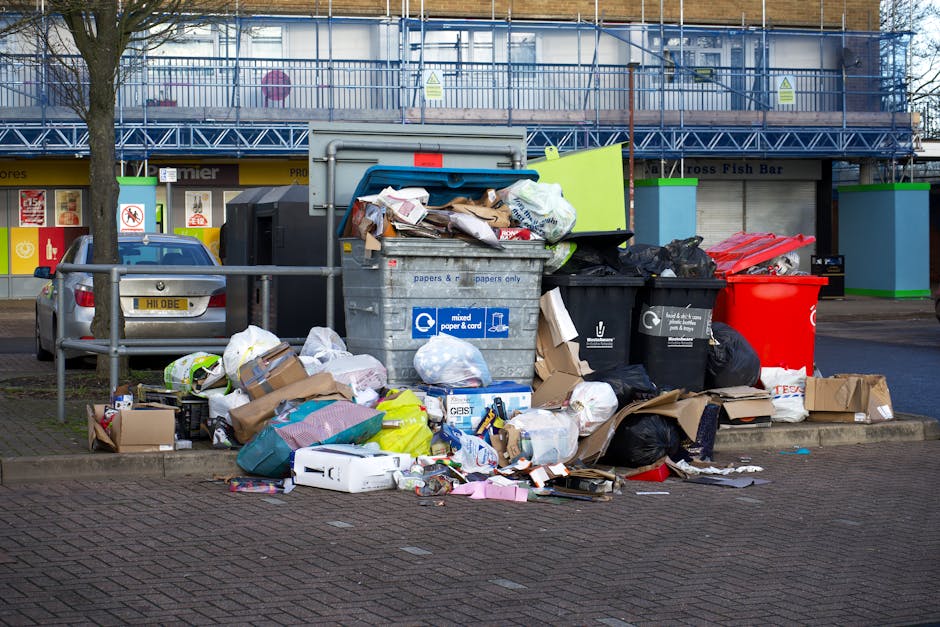
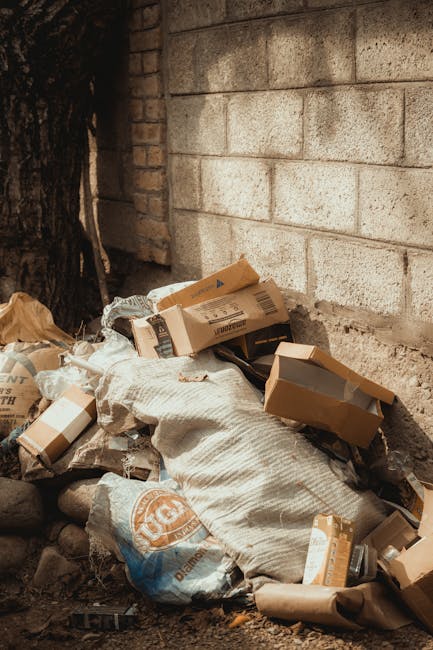
Avoid hidden fees in Osterley rubbish removal quotes
If you have ever asked for a rubbish removal price and then watched the total creep up, you are not alone. Hidden charges can turn a tidy, sensible quote into a frustrating surprise, especially when you are trying to clear a flat, garden, loft, office, or builder's mess in Osterley. The good news is that avoiding hidden fees in Osterley rubbish removal quotes is absolutely doable once you know what to ask, what to check, and where the common traps sit.
This guide breaks the whole thing down in plain English. You will learn how quotes are usually built, which extras deserve a closer look, how to compare providers properly, and what to do before anyone turns up with a van. There is no need to become a pricing expert overnight. You just need a few smart habits and a bit of local know-how. Simple enough, really.
Table of Contents
- Why hidden fees matter in rubbish removal quotes
- How rubbish removal pricing usually works
- Key benefits of checking quotes carefully
- Who this is for and when it makes sense
- Step-by-step guidance to avoid surprises
- Expert tips for better results
- Common mistakes to avoid
- Tools, resources and recommendations
- Law, compliance, standards, or best practice
- Options, methods, and comparison table
- Case study or real-world example
- Practical checklist
- Conclusion
- Frequently asked questions
Why Avoid hidden fees in Osterley rubbish removal quotes Matters
Rubbish removal often looks straightforward from the outside. You have items to clear, someone gives you a price, and the job gets done. But the real world is messier than that. A quote may look competitive at first glance, then suddenly there are charges for labour, access, loading time, congestion, heavy items, wait time, or disposal categories. That is where the sting happens.
In Osterley, that matters even more because local properties can vary a lot. A ground-floor home with easy parking is one thing. A top-floor flat with a long carry distance or a narrow access road is another. The quote needs to reflect the actual job, not a best-case fantasy. If not, the number you agreed is not the number you pay. And that is the part nobody enjoys.
There is also a trust angle here. Transparent pricing tells you a business understands the job and respects the customer. Vague pricing usually does the opposite. To be fair, not every vague quote is dishonest, but a vague quote is still a risk. You want clarity before collection day, not a debate in the driveway while the kettle boils.
Expert summary: The safest rubbish removal quote is the one that explains exactly what is included, what could change the price, and what counts as an extra. If that detail is missing, ask for it in writing before you book.
How Avoid hidden fees in Osterley rubbish removal quotes Works
The process starts with an estimate, not a promise carved in stone. Most rubbish removal companies price jobs based on a few core factors: volume, weight, type of waste, access, labour, and disposal costs. The quote may be fixed, subject to inspection, or based on photos you send in advance. Each model can work well if it is explained properly.
Common pricing inputs
- Volume: how much space the waste takes up in the vehicle.
- Weight: especially relevant for dense materials like bricks, soil, tiles, or rubble.
- Waste type: mixed household items, garden waste, appliances, furniture, and construction waste can all price differently.
- Access conditions: stairs, long carry distances, tight entrances, or limited parking may affect labour time.
- Special handling: items needing careful disposal, segregation, or extra compliance can cost more.
The key thing is this: a fair quote should explain the assumptions it is based on. If you send clear photos and a good description, the estimate should be pretty close to the final bill. If a company cannot say what might change the price, you are basically booking blind. Not ideal.
One practical example: a small pile of mixed household waste in a driveway may be quick and cheap to clear. The same amount sitting on the third floor, with no lift and no parking outside, can take more time and labour. Same rubbish, different job. That is why context matters so much.
What hidden fees usually look like
- extra labour charges added on arrival
- surprise fees for mattress, fridge, or sofa disposal
- charges for carrying waste upstairs or over long distances
- fees for heavier-than-expected loads
- additional costs for mixed waste or prohibited items
- same-day or out-of-hours charges that were never mentioned clearly
- card fees, minimum charges, or disposal surcharges hidden in small print
That list can look a bit grim, I know. But once you know what to look for, it becomes much easier to compare providers with a cooler head.
Key Benefits and Practical Advantages
Being careful with quotes is not just about avoiding overpaying. It changes the whole experience.
- Budget control: you can plan the job properly and avoid last-minute stress.
- Less friction on collection day: there is no awkward back-and-forth about what was or was not included.
- Better comparisons: a truly clear quote is easier to compare than a glossy headline price.
- Fewer delays: when expectations are set early, the team can arrive ready to work.
- More trust: transparent pricing usually signals better service overall.
There is also a quiet practical benefit that people often overlook. Once you learn to ask the right questions, you get faster at making decisions. You stop wasting time on quotes that sound cheap but are full of traps. That alone can save a surprising amount of energy.
If you are clearing out a room, a shed, or a whole property, that peace of mind matters. You have enough on your plate already.
Who This Is For and When It Makes Sense
This advice is useful for almost anyone booking rubbish removal in Osterley, but it is especially relevant if your clearance is not a simple one-bag job. If there is furniture, mixed waste, awkward access, or a lot of volume, the chance of extra charges goes up. That is just the nature of the work.
It makes particular sense for:
- homeowners clearing garages, lofts, gardens, or whole rooms
- tenants moving out and needing a fast, tidy clear-out
- landlords preparing a property between occupancies
- small businesses clearing old stock, office items, or archive clutter
- builders and tradespeople dealing with renovation waste
- families handling bulky items after a house move or bereavement
It also makes sense if you have had a bad experience before. Maybe the price looked fine online, then the final total was a different story. Happens more often than it should, truth be told. If that is you, a more careful quote process can save you from repeating the same mistake.
Sometimes people assume hidden fees only happen with cheap services. Not quite. Even decent operators can quote poorly if they do not gather enough information. The difference is whether they are upfront about it. That distinction is important.
Step-by-Step Guidance
Here is a practical way to reduce the risk of surprise charges and get a quote that actually means something.
1. Describe the waste properly
Do not just say "a bit of rubbish." List what is there. Furniture, packaging, garden cuttings, broken appliances, builder's rubble, bags of mixed junk, and anything else that stands out. The more specific you are, the better the quote will be.
2. Send clear photos from different angles
Photos are often the quickest way to avoid confusion. Take wide shots and a few close-ups. Include the access route if it is likely to matter. A photo of the front entrance, stairs, or driveway can be more useful than a paragraph of text.
3. Ask what the quote includes
This is the step many people skip. Ask whether the price includes labour, loading, transport, disposal, parking, congestion, VAT if applicable, and any minimum charge. If it does not, ask what is extra. You are not being awkward. You are being sensible.
4. Check for exclusions
Some waste types carry separate handling rules or higher disposal costs. Ask about anything unusual, such as fridges, mattresses, paint tins, hazardous items, rubble, plasterboard, or confidential paper waste. If a provider handles those items, they should explain the pricing clearly.
5. Confirm how the final price is set
Is the quote fixed after inspection? Is it an estimate that can change on arrival? What would cause a change? The answer should be simple enough that you can repeat it back without guesswork.
6. Put the agreement in writing
Even a short written confirmation by email is better than nothing. It gives you something to refer back to if there is any confusion later.
7. Recheck the job before collection day
If more items get added after the quote, mention it early. A small update now is easier than a pricing row when the van is outside and the clock is ticking.
That is the whole game, really: clear information in, clear price out.
Expert Tips for Better Results
After enough clearances, you start to spot the patterns. The best quotes are rarely the flashiest ones. They are the ones that answer your awkward questions without sounding irritated.
Ask the "what could change this?" question
This is one of the smartest questions you can ask. A good provider should be able to say, "the price changes if the volume is larger than described," or "there is an extra charge if access is difficult." That sort of answer is reassuring because it is specific.
Compare like with like
If one quote includes loading, disposal, labour, and VAT while another only gives a headline price, you are not comparing the same thing. Look past the first number. Always.
Watch for very low headline pricing
A bargain quote can be real, but if it looks dramatically cheaper than the rest, pause for a second. Ask what is excluded. Hidden fees often hide under an attractive starting figure. Funny how that works.
Be honest about access
If there are tight stairs, no parking, or a long carry from the property to the vehicle, say so upfront. It may affect the quote, but that is better than finding out later. You save time, and everybody stays calmer.
Use local knowledge where you can
In a place like Osterley, timings and access can matter more than people expect. Busy roads, parking pressure, and property layout can all influence the job. A local team that understands those little frictions is usually easier to plan with.
A small aside: the cheapest quote is often the one that spends the most time on your desk. Not always, but enough to make it worth checking twice.
Common Mistakes to Avoid
Most quote problems come from a few repeat mistakes. The good news is they are easy to avoid once you know them.
- Accepting a quote with no breakdown: one price and no explanation is risky.
- Assuming "all in" means everything: ask what "all in" actually covers.
- Forgetting access details: stairs, distance, and parking can affect labour.
- Not mentioning heavy or special items: these often carry separate disposal costs.
- Adding extra waste at the last minute: more waste can mean a different price band.
- Ignoring payment terms: know whether payment is due on booking, on completion, or after inspection.
- Choosing on price alone: the lowest number is not always the best value.
One more thing people miss: not every "fee" is hidden. Some charges are normal and fair if they are explained in advance. The problem is surprise, not pricing itself. There is a difference, and it matters.
Tools, Resources and Recommendations
You do not need fancy software to avoid hidden charges. A few simple tools and habits are enough.
- Your phone camera: take clear photos of the waste and access route.
- A quick item list: note what is going, especially bulky or unusual items.
- Message or email trail: keep written confirmation of what the quote includes.
- Measurements if needed: rough dimensions help for larger loads or furniture.
- Payment details check: confirm how you will be charged and whether fees apply for cards or invoicing.
Some people also find it useful to compare the provider's service pages before they book. For example, if you are disposing of old furniture, you may want to review the details on furniture disposal so you understand how bulky items are handled. If you are clearing a workplace rather than a home, office clearance may be the more relevant option.
And if you are dealing with mixed domestic waste or a more general load, the pricing and quotes page is a useful place to check how costs are usually presented. That sort of review takes two minutes, but those two minutes can save you from a bad surprise later.
Law, Compliance, Standards, or Best Practice
Pricing transparency is one part of the picture. Responsible waste removal is the other. In the UK, waste must be handled and disposed of properly, and customers should be alert to how a provider manages environmental and safety duties. You do not need to know every technical detail, but you should expect clear, lawful practice.
A trustworthy company should be able to explain how it deals with different waste types, whether items are recycled where appropriate, and how it manages any safety-sensitive materials. For anything that could be classed as hazardous, extra care is essential. Do not assume a general rubbish collection service can take every item without checks. That is a quick way to create problems.
Best practice also includes clear communication about payment, service scope, and complaints handling. If a company has published policies on terms and conditions, payment and security, or complaints procedure, that can be a useful sign that it takes customer clarity seriously.
For waste that needs special handling, a provider should be cautious rather than casual. Items like appliances, sharp materials, or anything potentially hazardous are not the place for guesswork. Better to ask first and avoid a messy misunderstanding.
Options, Methods, and Comparison Table
There is more than one way to price a rubbish removal job, and each method has trade-offs. Some are more convenient, some are more transparent, and some are better for larger or more complex clearances.
| Pricing method | How it works | Pros | Watch out for |
|---|---|---|---|
| Photo-based quote | You send images and a description before booking. | Fast, convenient, good for simple jobs. | Can be off if access or item details are incomplete. |
| In-person estimate | The team assesses the waste on site before confirming. | Usually more accurate for larger or awkward jobs. | May take more time and still change if the job description was incomplete. |
| Fixed-price quote | Price is agreed in advance for a clearly defined job. | Good for budgeting and confidence. | Needs precise details to avoid scope confusion. |
| Flexible estimate | Price may change if the actual job differs from the description. | Can work for mixed or uncertain loads. | Higher risk of surprise charges if the terms are vague. |
For many Osterley households, a good photo-based quote is enough, provided the waste is described properly. For larger clear-outs, especially if there are stairs, bulky items, or mixed materials, an in-person assessment can be worth the extra time. A bit less convenient, yes. Often better value, though.
If you are deciding between a few service types, it can also help to read a related guide such as house clearance or flat clearance so you understand which service description best matches your job.
Case Study or Real-World Example
Here is a realistic scenario. A family in Osterley is clearing a spare room before new furniture arrives. They have an old sofa, a broken wardrobe, several black bags of general clutter, and a couple of boxed items they are unsure about. At first, they ask for a quick quote with very little detail. The estimate sounds fine, but it does not mention access, stairs, or the sofa dimensions.
Before booking, they send better photos, confirm there is a narrow staircase, and mention that the sofa is a large three-seater. The revised quote is slightly higher, but it is accurate. On collection day, there is no argument, no surprise fee, and the room is cleared in one visit. The family gets the result they wanted: one sensible price, no drama, and a finished job by lunchtime.
That is the kind of outcome you are aiming for. Not the cheapest number on the page. The smoothest real experience. The one where the bill matches the expectation, and nobody is standing around saying, "Hang on, what's this extra charge for?"
Practical Checklist
Use this checklist before you approve any rubbish removal quote in Osterley.
- Have I listed every main item that needs removing?
- Have I sent clear photos of the waste and access route?
- Do I know whether labour, loading, disposal, and VAT are included?
- Have I asked about extra charges for stairs, distance, parking, or wait time?
- Have I checked whether any items need special handling?
- Is the quote fixed, estimated, or subject to inspection?
- Have I got the key details in writing?
- Do the payment terms make sense to me?
- Have I compared at least one or two other quotes on the same basis?
- Am I happy that the provider seems clear, calm, and straightforward?
If you can tick all or most of those boxes, you are in a strong position. If not, slow down a little. A few extra minutes now can save a fair bit of hassle later.
For larger household jobs, you may also want to read more about home clearance or loft clearance if your waste is spread across rooms or hard-to-reach spaces.
Get a free quote today and see how much you can save.
Conclusion
Hidden fees are frustrating because they usually appear at the worst possible moment: after you have already committed, already tidied, already planned your day. But they are avoidable. When you describe the job clearly, ask what is included, check the exclusions, and keep the quote in writing, you give yourself a proper chance of a fair result.
In practice, that means choosing clarity over guesswork and realism over wishful thinking. It does not have to be complicated. A few careful questions, one or two good photos, and a willingness to read the fine print can make all the difference. And once you have done it properly once, you will spot the pattern next time. Much easier after that.
For anyone in Osterley facing a clear-out right now, the smartest move is simple: make the quote tell the full story before the van arrives. That way, the only surprise is how easy it feels when everything goes to plan.
Frequently Asked Questions
What should a rubbish removal quote include?
A solid quote should explain the waste type, volume or load size, labour, transport, disposal, and any likely extras such as stairs, long carries, or special-item handling. If those things are missing, ask before booking.
How do I spot hidden fees before I book?
Look for vague wording, very low headline prices, and quotes that do not say what is included. A reputable provider should be able to explain the full price structure clearly and in plain language.
Is a photo-based quote accurate enough?
It can be, provided the photos are clear and the description is honest. Include access details, item sizes, and anything unusual. If the job is large or awkward, an in-person estimate may be better.
Why do some rubbish removal quotes change on arrival?
Usually because the actual load, access, or item type was different from the original description. That can be legitimate, but the terms should be explained before the collection date.
Are stairs and parking normally extra?
They can be, depending on the provider and the complexity of the job. Some companies include this in the overall price, while others charge extra if the collection is more labour-intensive.
Should I worry about VAT or card fees?
Yes, at least enough to ask about them. Some prices are shown before VAT or payment charges are added. A clear quote should tell you whether the figure you see is the final amount.
What items can cause surprise charges?
Common ones include mattresses, fridges, sofas, rubble, paint tins, and mixed waste that needs sorting. Anything large, heavy, or classed as special waste should be mentioned up front.
Is the cheapest quote usually the best value?
Not always. A low quote can be good value, but only if it includes the work you actually need. Compare the scope of service, not just the headline number.
What is the best way to compare rubbish removal companies?
Ask each company the same questions and compare quotes on the same basis: what is included, what can change the price, how waste is handled, and how payment works. Consistency matters more than speed here.
Do I need a written quote?
Yes, ideally. A written quote or email confirmation helps prevent misunderstandings and gives you something to refer to if there is any disagreement later.
Can I avoid hidden fees by booking online?
Booking online can be convenient, but it only works well if the site asks for enough detail and shows the pricing terms clearly. Convenience is great. Clarity still wins.
What should I do if I think I have been overcharged?
Check the original quote, any written messages, and the terms you agreed to. Then raise the issue politely and clearly. If the provider has a complaints process, follow it step by step.